Exhibitions




Date
August 06, 2026
Time
3:00–4:00 pm
Location
Zoom
ABOUT THE EVENT
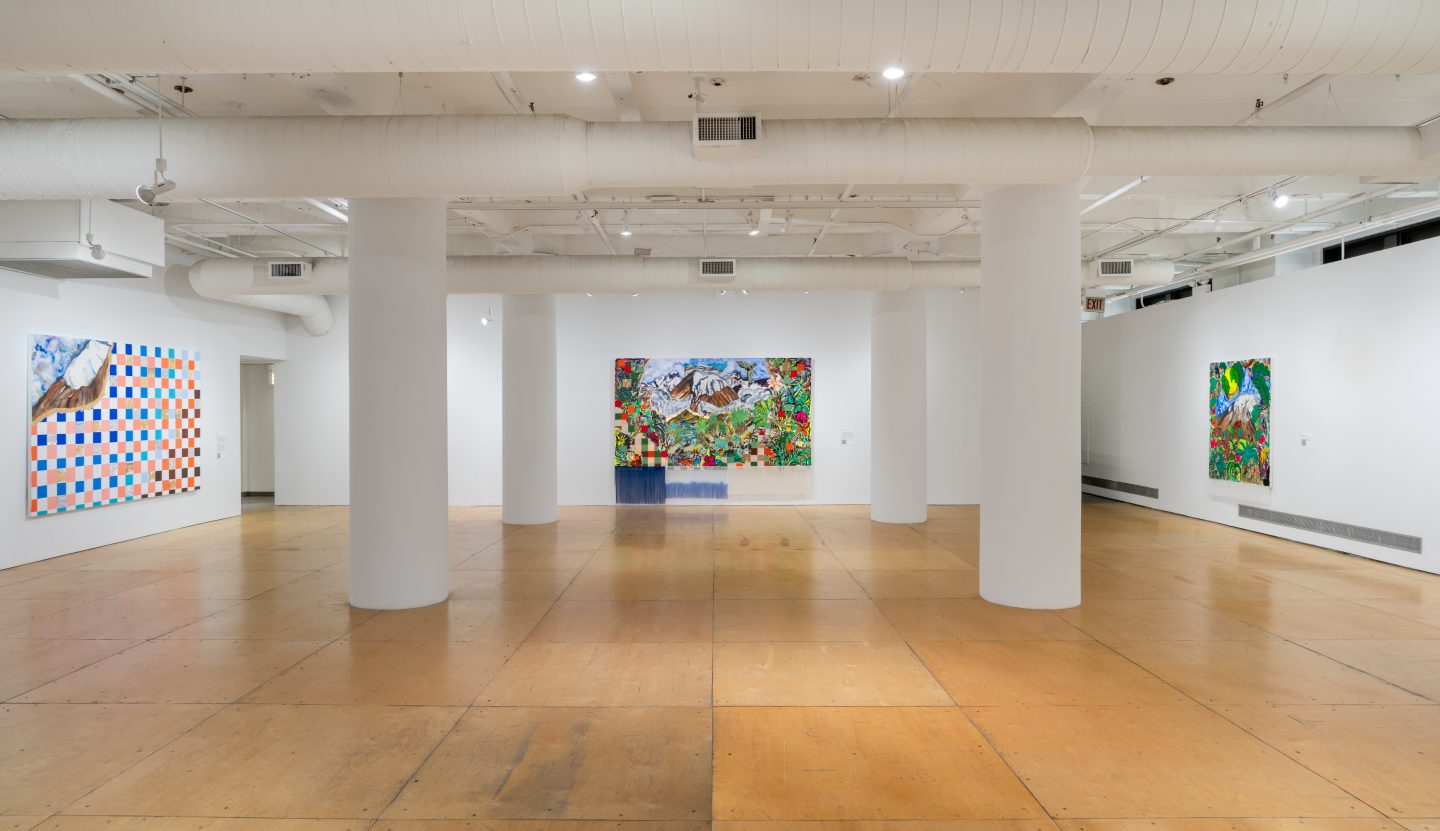
A conversation between Chicago-based interdisciplinary artist Jenny Kendler, whose practice has consistently engaged with extractive histories that inform climate change, bridging the human and non-human gap, and Meghana Ranganathan, a glaciologist at the University of Chicago, whose research concerns ice-sheet dynamics and the cryosphere’s role in the global climate system.
ACCESS INFORMATION: This program is free and CART captioning will be available. For questions and access accommodations, email gallery400engagement@gmail.com.
ABOUT:
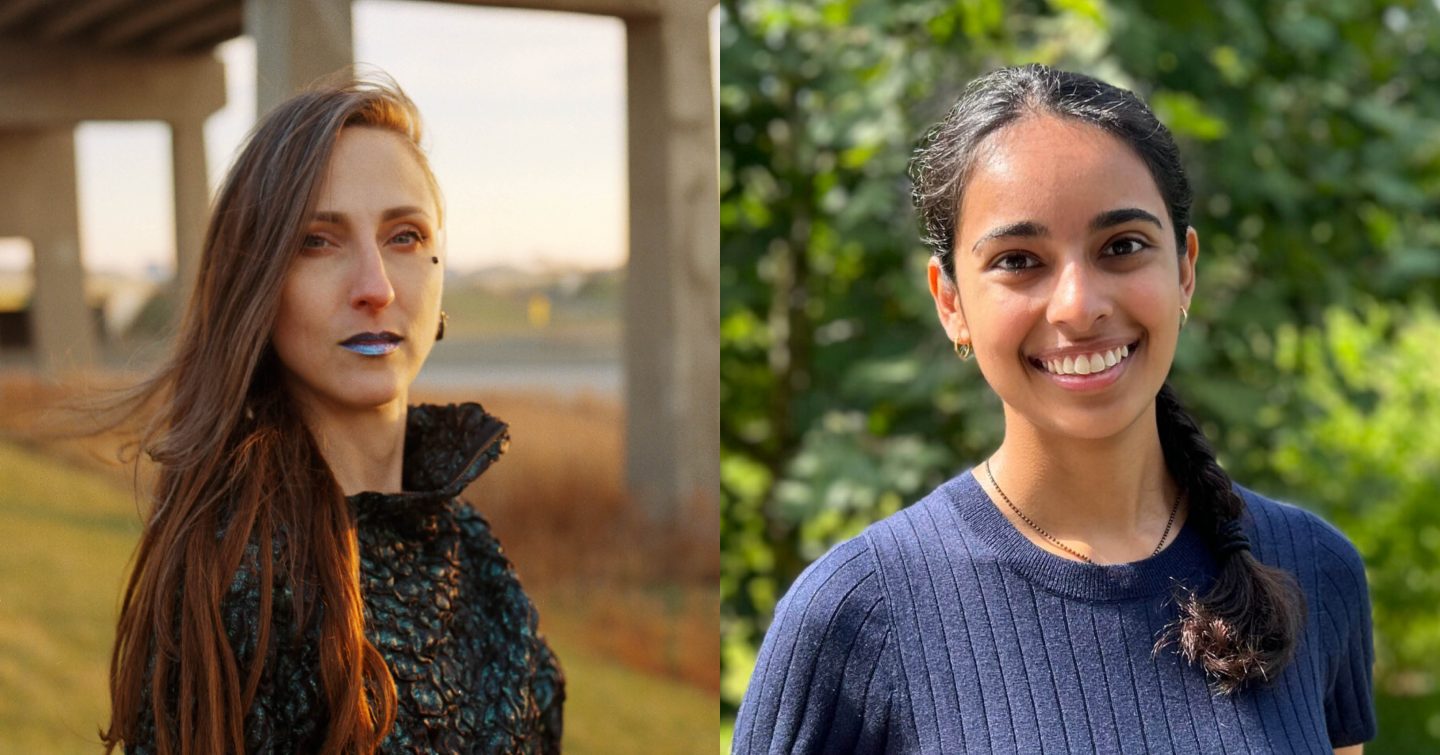
Jenny Kendler (b. 1980, New York City) is an interdisciplinary artist, environmental activist, naturalist & wild forager who lives in Chicago and various forests. Her work is informed by her experiences as a queer, Jewish, ecofeminist, and single parent. She is an organizer with Artists for Chicago and a founding member of Artists Commit, an artist-led initiative to cultivate climate-consciousness in the art world. Kendler is a current Artistic Fellow with Center for Humans and Nature. Her work has been presented widely, including at the Hayward Gallery (London), the Smithsonian National Museum of Natural History, Storm King Art Center, the Museum of Contemporary Art, the Neubauer Collegium, Vielmetter, and the Wattis Institute for Contemporary Art, among others.
Meghana Ranganathan is a glaciologist whose research focuses on ice-sheet dynamics and the role of the cryosphere in the global climate system. She joined the University of Chicago’s Department of Geophysical Sciences in 2024. Ranganathan studies how glaciers and ice sheets respond to climate change, one of the largest sources of uncertainty in projections of future sea-level rise. Her interdisciplinary research draws on materials science, solid-earth geophysics, applied mathematics, and related fields to examine how microscale physical processes influence the large-scale flow and fracture of ice.